
Class Description – Groove Decomposition (GD)
Groove Decomposition (GD) is a movement research class focused on accessing the source of groove and the generative impulses that create movement before it becomes stereotyped form. The practice invites participants to deconstruct learned movement patterns, stylistic habits, and cultural clichés in order to reconnect with more organic and personal sources of motion. By working from sensation, rhythm, and internal perception, dancers learn to move from impulse rather than imitation. Through guided improvisation, rhythmic exploration, sensory work, and instant composition, participants investigate how movement is generated from within and how it can be continuously
transformed.
The class integrates elements of contemporary dance, urban practices, somatic approaches, and embodied memory, creating a space for deep physical listening and creative experimentation. Rather than teaching fixed sequences, Groove Decomposition offers tools to:
- Access the source of groove and internal rhythmic intelligence
- Deconstruct stereotyped movement patterns
- Expand improvisational and compositional skills
- Strengthen creative autonomy and expressive presence
- Develop movement from impulse rather than external form
The class is open to dancers, performers, actors, and people with little formal dance training who are interested in exploring movement as a creative and expressive tool. No specific background is required—only curiosity, openness, and willingness to engage physically and perceptually.
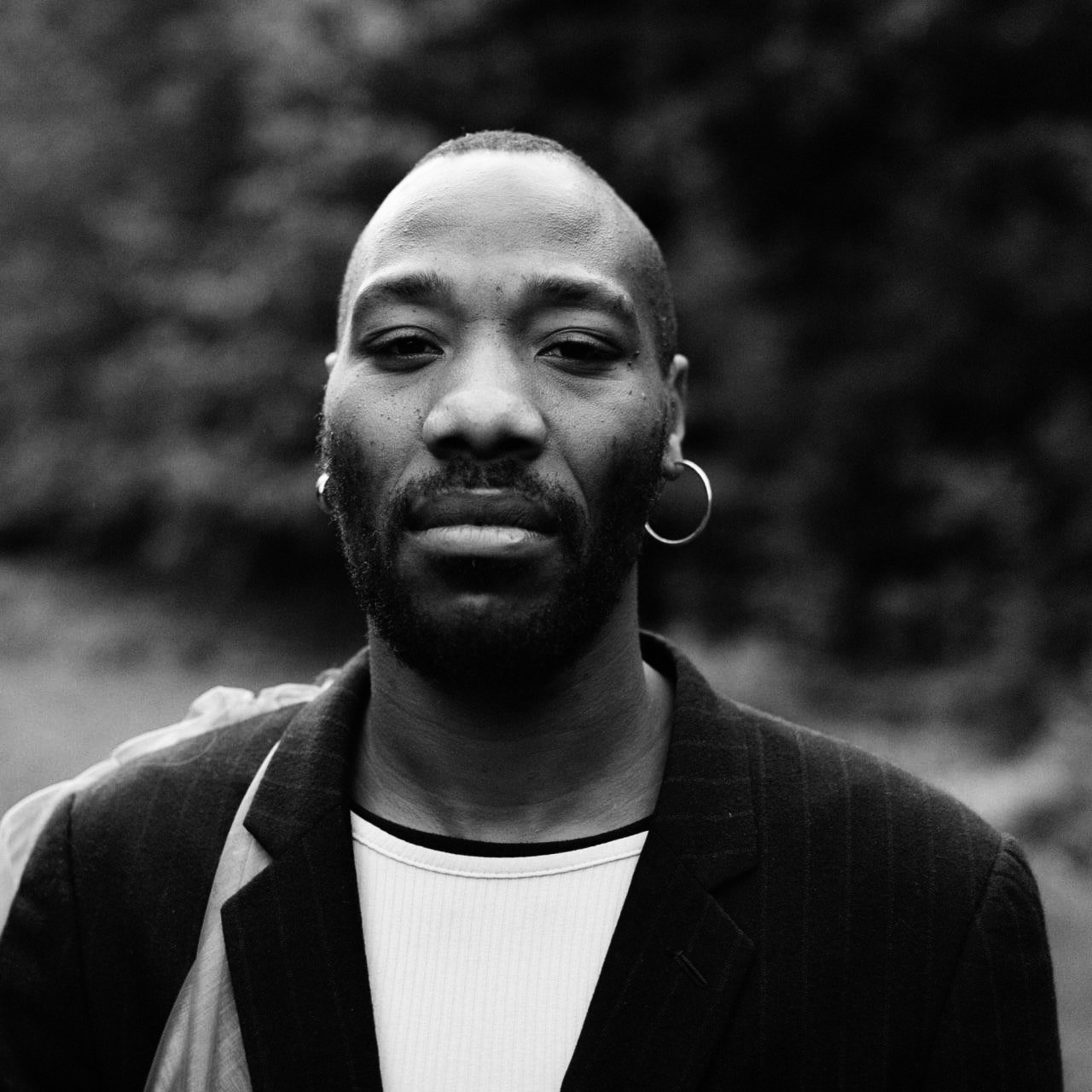
Rubén Nsue is a performer, choreographer, actor, educator, dramaturg, and researcher born in Madrid of African origin. He began his dance training in Madrid in modern jazz and contemporary dance, continuing his artistic formation in Barcelona, London, and New York. In 2007, he founded Lokomamia, an experimental dance company that became a significant reference within Madrid’s avant-garde and contemporary dance scene. Since then, he has worked as a dancer, choreographer, and actor for institutions and companies including Semperoper Dresden, Grupo Oito Dance Company, and Ramba Zamba Theater. Since 2016, Rubén has been developing his own movement research practice, Groove Decomposition, which investigates the relationship between embodied impulse, memory, rhythm, and codified movement forms. His research on groove and generative movement was supported by the Tanzpraxis Berlin Stipendium in 2022. His work focuses on accessing the source of movement before it becomes stylized, aestheticized, or socially conditioned, emphasizing somatic intelligence, perception, and embodied authorship. Through practice, performance, and pedagogy, he explores how dancers and performers can create from internal impulse rather than reproducing external models. Rubén is a founding member of KDV Performance Group and has contributed to works such as Las Casas Invisibles(2020), El Túnel (2024), and Cortex (2024/2025). He is currently based in Berlin, where he continues developing artistic research at the intersection of dance, performance, music, and cultural memory.